















The Sequel Trap: Why Devara 2 and HHVM 2 Struggles to Ignite the Franchise Spark
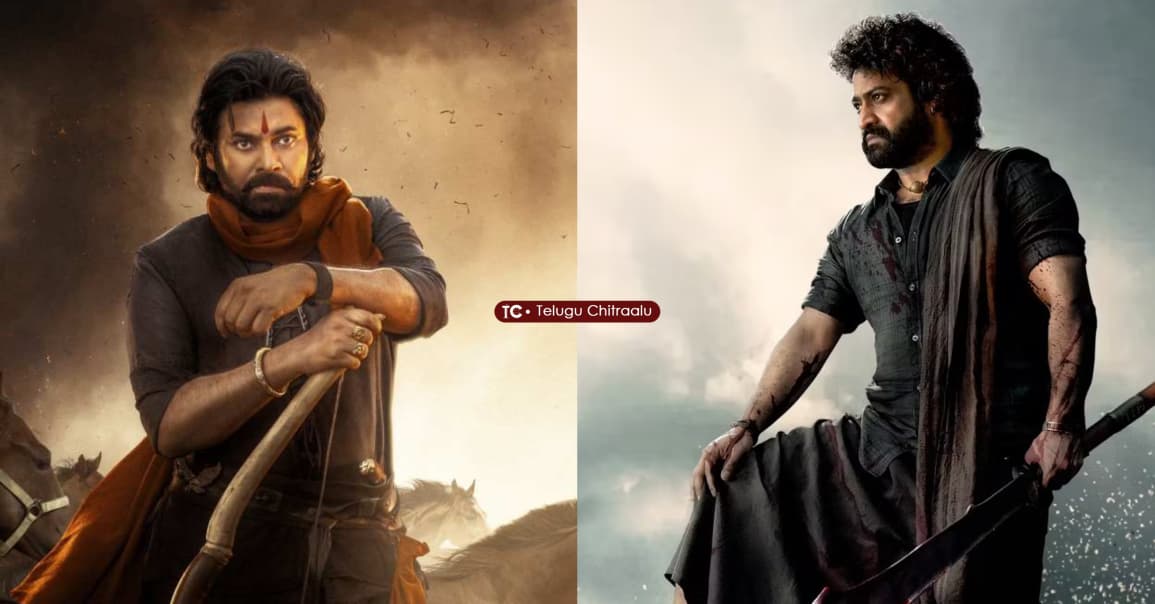
Indian cinema has developed a new obsession: the “Part 2” tag. But slapping a sequel on a poster doesn’t automatically guarantee Baahubali or KGF levels of hysteria. The surprisingly muted buzz around Devara 2 and HHVM 2 proves that splitting a movie in half isn’t a strategy it’s a risk.
The problem is simple: the first installments told us too much.
A massive franchise thrives on the unknown. Think back to Baahubali. The entire country spent years agonizing over why Kattappa killed the hero. KGF left us staring at a massive, unfinished empire, wondering just how greedy Rocky would get. Those were hooks. In contrast, Devara and HHVM gave us periods, not question marks.
In Devara, the emotional heavy lifting was largely finished in the first part. In HHVM, the trajectory is set in stone the hero creates a war legacy or dies a martyr. It’s binary and predictable. When the audience knows exactly where the train is going, nobody lines up to see the arrival.
There is also a massive difference between a story and a universe. KGF worked because the world felt bigger than the hero, it was a web of politics and conspiracy. Devara and HHVM remain tightly focused on single track revenge or mission arcs. When the world doesn’t feel expansive, a sequel feels less like a cinematic event and more like a stretched-out conclusion.
Sequels only work when the audience leaves the theater feeling hungry. Devara and HHVM served a full meal in Part 1, leaving no appetite for the second course.